
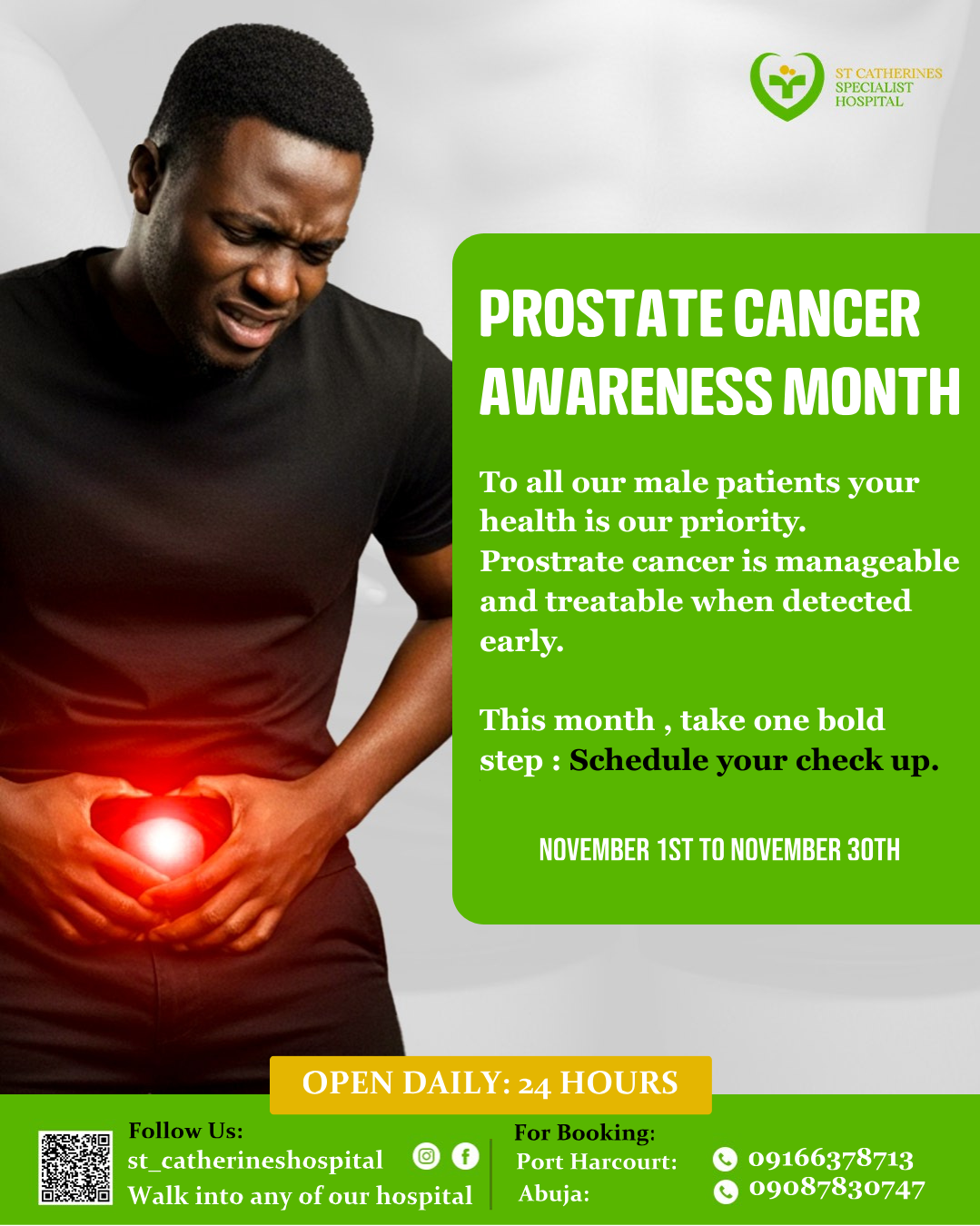
Prostate cancer is one of the most common types of cancer found in men, especially those over the age of 50. Even though the name may sound scary, the good news is that when it’s found early, prostate cancer can often be treated successfully.
What Is the Prostate?
The prostate is a small gland about the size of a walnut. It is part of the male reproductive system and is found just below the bladder, in front of the rectum. The prostate’s main job is to make a fluid that mixes with sperm to create semen. This fluid helps nourish and protect sperm when a man ejaculates.
What Is Prostate Cancer?
Prostate cancer happens when the cells in the prostate start growing in an unusual or uncontrolled way. Normally, cells grow and die in an orderly manner. But when cancer begins, the cells start to multiply too quickly and don’t die when they should. These abnormal cells can form a lump called a tumor. In some cases, the cancer cells can spread to other parts of the body, such as the bones or lymph nodes. This is called metastasis.
Who Is at Risk?
Some men are more likely to get prostate cancer than others.The main risk factors include:
- Age: Men over 50 have a higher risk.
- Family History: If your father or brother had prostate cancer, you have a greater chance of developing it too.
- Race: African and Caribbean men are at a higher risk compared to men of other races.
- Diet and Lifestyle: Eating a lot of red meat, processed foods, or fatty foods may increase the risk. Lack of exercise can also contribute.
Common Symptoms to Watch For
In the early stages, prostate cancer might not cause any symptoms at all. This is why regular check-ups are so important. However, as it grows, you might notice:
- Difficulty urinating or a weak urine stream
- Frequent urination, especially at night
- Pain or burning during urination
- Blood in the urine or semen
- Pain in the lower back, hips, or thighs
It’s important to note that these symptoms don’t always mean cancer they can also be caused by other prostate problems like enlarged prostate or infection. But it’s best to get checked by a doctor if you notice them.
How Is Prostate Cancer Diagnosed? Doctors use a few different tests to find out if a man has prostate cancer. These include:
- PSA Blood Test: This checks the level of a protein called Prostate-Specific Antigen (PSA). High levels might mean there’s a problem with the prostate.
- Digital Rectal Exam (DRE): The doctor gently feels the prostate through the rectum to check for lumps or hardness.
- Biopsy: If something looks unusual, the doctor may take a small sample of prostate tissue to test it for cancer cells.
Treatment Options
Treatment depends on how early the cancer is found and how fast it is growing. Common treatments include:
- Active Surveillance: Early detection and close monitoring by an oncologist is important to delay or stop the spread of cancer.
- Surgery: This removes the prostate gland completely.
- Radiation Therapy: High-energy rays are used to kill cancer cells.
- Hormone Therapy: This helps stop the body from making the hormones that help prostate cancer grow.
- Chemotherapy: Strong medicines are used to kill cancer cells, whether the cancer is still localized (in one area) or has metastasized (spread to other parts of the body).
Can It Be Prevented?
There’s no sure way to prevent prostate cancer, but you can lower your risk by:
- Eating a healthy diet rich in fruits, vegetables, and whole grains
- Exercising regularly
- Maintaining a healthy weight
- Going for regular medical check-ups, especially after age 40
Prostate cancer is serious, but it doesn’t have to be a death sentence. When found early, it can often be treated successfully. The key is awareness and regular screening. Men should not feel embarrassed to talk to their doctor about prostate health early action can save lives.
So, take care of your health, eat well, stay active, and don’t skip your regular check-ups. Your future self will thank you.
If you or someone you know is experiencing any warning signs, visit St. Catherine’s Specialist Hospital today for proper screening and testing. Your health matters don’t wait until it’s too late.


